 +91-7096091339
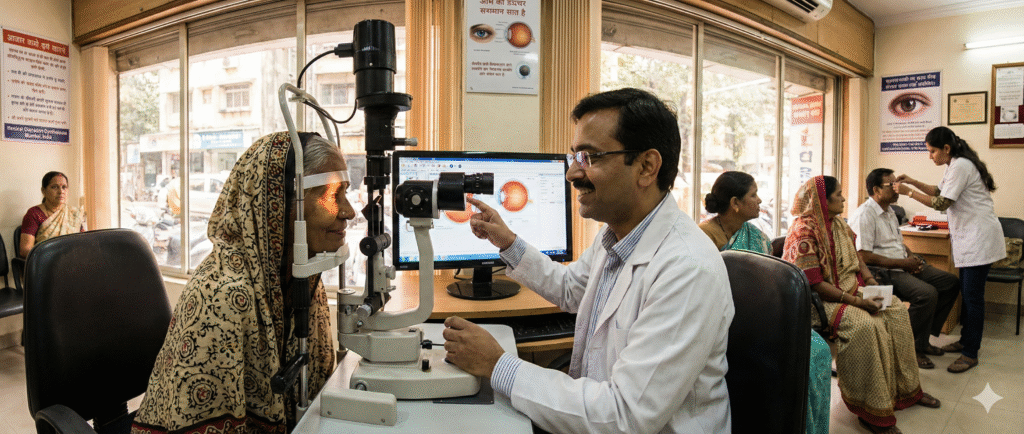
Regular eye check-ups were once considered necessary only for older adults or those with existing vision problems. Not anymore. Today, more young professionals are experiencing eye strain, blurred vision, and early eye disorders — often uncovered only during routine eye examinations.
Long screen hours, digital strain, stress, and lifestyle habits are taking a toll on eye health. Many people appear healthy, yet underlying issues like dry eyes, early refractive errors, or retinal changes go unnoticed until they become serious.
Let’s understand why eye check-ups matter, the early symptoms to watch for, and how you can protect your vision.
Why Eye Check-Ups Are Essential
Healthy vision is more than just “seeing clearly.” Even if your eyesight feels normal, hidden problems may be developing.
• Excessive Screen Time:
Long hours on laptops and smartphones cause digital eye strain, dryness, headaches, and difficulty focusing.
• Poor Lifestyle Habits:
Irregular sleep, dehydration, poor diet, and long office hours reduce tear production and strain eye muscles.
• Undiagnosed Vision Issues:
Refractive errors (like myopia or astigmatism), high eye pressure, or early retinal changes often show no symptoms in the beginning.
Some individuals are also genetically predisposed to conditions like glaucoma or retinal disorders without realizing it.
Early Warning Signs
Many young adults ignore early eye symptoms, assuming they are caused by stress or lack of sleep. Look out for:
• Frequent headaches
• Blurred or fluctuating vision
• Eye dryness, burning, or redness
• Difficulty focusing on screens
• Increased sensitivity to light
Most people identify problems only during a routine eye check when an optometrist detects refractive errors or eye strain. Early detection can prevent long-term complications such as retinal issues or progressive vision loss.
Why Early Action Matters
Timely eye examinations can prevent more severe problems. Conditions like glaucoma, retinal thinning, or severe dry eye syndrome often progress silently.
Regular eye tests help detect:
• Early refractive errors
• Retinal changes
• High intraocular pressure
• Early signs of cataract or other disorders
If symptoms like eye strain, headaches, or blurred vision persist, consult a qualified Ophthalmologist in India. Specialists at Aster Hospital offer advanced diagnostic tools like retina imaging, intraocular pressure measurement, and complete vision evaluations.
How to Protect Your Eyes Naturally
Most vision problems caused by modern lifestyle habits can be managed or reversed with simple changes:
• Follow the 20-20-20 Rule:
Every 20 minutes, look 20 feet away for 20 seconds to reduce digital eye strain.
• Eat Eye-Friendly Foods:
Include leafy vegetables, carrots, nuts, fish, and vitamin A-rich foods.
• Stay Hydrated & Sleep Well:
Good hydration and 7–8 hours of sleep maintain tear production and reduce strain.
Even small changes in daily habits significantly improve eye comfort and long-term vision.
Final Thoughts
Eye health is now a major concern for young professionals. Screen-heavy routines, poor lifestyle habits, and lack of awareness contribute to rising eye disorders — but early action can prevent most problems.
If you experience headaches, blurry vision, or persistent eye dryness, consult an eye specialist in India. With timely diagnosis and proper guidance, you can protect your vision for years to come.